Ayurvedic Self-Care for Women's Wellness: Simple Daily Habits for a Healthier Life
Women's wellness begins with caring for both the body and the mind. Ayurveda encourages simple daily habits that promote balance, vitality, and overall well-being through mindful eating, healthy routines, quality sleep, movement, and stress management.
Ayur Ayurveda Wellness Team | August 4, 2026
Women's wellness begins with caring for both the body and the mind. Ayurveda, India's ancient system of holistic healthcare, encourages simple daily habits that promote balance, vitality, and overall well-being.
Rather than focusing only on symptoms, Ayurveda emphasizes a healthy lifestyle, mindful eating, quality sleep, and stress management. Whether you're balancing work, family, or personal responsibilities, incorporating a few Ayurvedic practices into your daily routine can help you feel healthier, more energized, and better connected to your well-being.
What Ayurveda Says About Women's Wellness
According to Ayurveda, good health is achieved when the body, mind, and lifestyle are in harmony. Every woman is unique, and Ayurveda recognizes this through the concept of the three doshas— Vata, Pitta, and Kapha. These natural energies influence physical and emotional characteristics.
Instead of following one routine for everyone, Ayurveda encourages listening to your body, eating nourishing foods, maintaining regular daily habits, and adapting your lifestyle to changing seasons. Small, consistent practices often make the biggest difference over time.
Vata
Associated with movement, communication, creativity, and activity in the body and mind.
Pitta
Associated with transformation, digestion, metabolism, and body temperature.
Kapha
Associated with structure, stability, strength, and lubrication.
Individual Balance
Ayurveda encourages routines and lifestyle choices that suit individual needs and constitution.
5 Simple Ayurvedic Self-Care Practices
1. Eat Nourishing Foods
A balanced diet is the foundation of good health. Include fresh fruits, seasonal vegetables, whole grains, legumes, nuts, seeds, and healthy fats in your meals.
Ayurveda also encourages eating freshly prepared food and maintaining regular meal times to support healthy digestion.
2. Follow a Daily Routine (Dinacharya)
A consistent routine helps the body function at its best. Wake up at a regular time, drink warm water in the morning, eat meals on time, and wind down with a relaxing bedtime routine.
These simple habits can support overall wellness and healthy digestion.
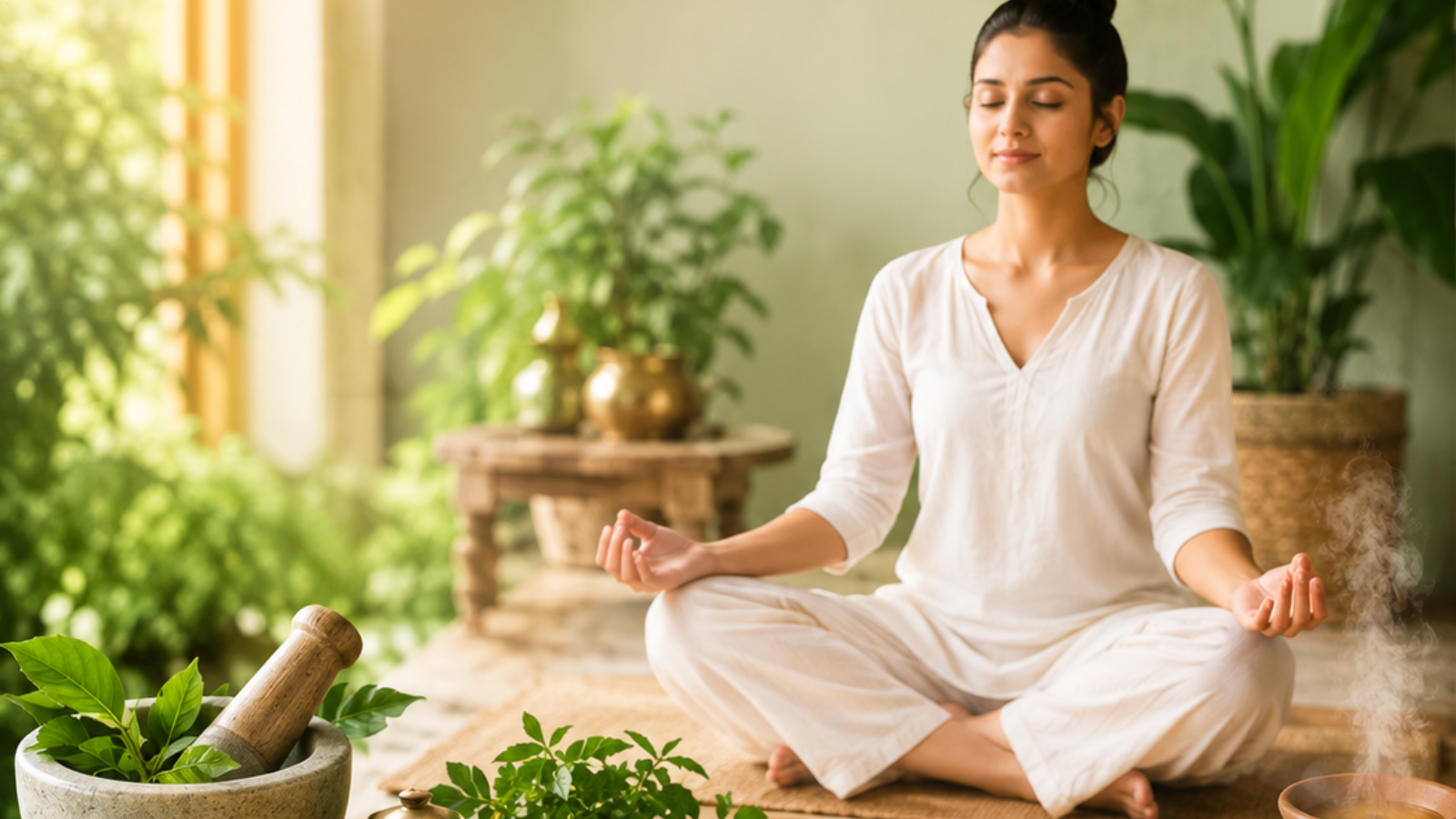
3. Practice Yoga and Meditation
Gentle yoga, stretching, and meditation can help improve flexibility, reduce stress, and promote mental clarity.
Even 15–20 minutes of daily practice can contribute to better physical and emotional well-being.
4. Prioritize Quality Sleep
Rest is essential for overall health. Aim for 7–9 hours of quality sleep each night, avoid heavy meals before bedtime, and reduce screen time in the evening.
Good sleep supports energy, mood, and overall wellness.
5. Stay Active and Manage Stress
Regular physical activity, walking, deep breathing, and spending time in nature can help maintain both physical and mental health.
Ayurveda also encourages mindfulness and relaxation as part of a healthy lifestyle.
Simple Daily Wellness Habits
Herbs Traditionally Used in Ayurveda
Ayurveda has traditionally used a variety of herbs to support general wellness. Some commonly known herbs include:
Ashwagandha
Traditionally used to support stress resilience and vitality.
Shatavari
Traditionally valued in Ayurvedic practice for women's wellness.
Turmeric
Widely used as a culinary spice and in traditional Ayurvedic preparations.
Amla
Indian Gooseberry, traditionally appreciated for its nutritional value.
Ginger
Commonly used in traditional practices to support digestive comfort.
Key Takeaways
Ayurvedic self-care doesn't require major lifestyle changes. Simple habits such as eating nutritious foods, following a daily routine, practicing yoga, getting enough sleep, and managing stress can support overall health and well-being.
The goal of Ayurveda is to create balance through consistent, mindful choices that fit naturally into everyday life.
Why Choose Ayur Ayurveda Wellness?
At Ayur Ayurveda Wellness, we focus on personalized Ayurvedic wellness guidance based on individual health needs, lifestyle, and wellness goals.
Our Expert Doctors
Senior Ayurveda Specialist
Ayurveda Consultant
Herbal Cosmetologist
Visit Our Wellness Center
Ayur Ayurveda Wellness
#789, 7th Block, 2nd Phase,
Behind Post Office, Girinagar,
Banashankari 3rd Stage,
Bengaluru – 560085,
Karnataka, India
Website: www.ayurayurvedawellness.com
Contact: +91 7975126091
Take the First Step Toward Better Wellness
Make self-care a part of your everyday routine. Simple Ayurvedic practices, mindful eating, regular movement, quality sleep, and stress management can help you build healthier lifestyle habits.
Visit Ayur Ayurveda Wellness and take the first step toward a healthier, more balanced life.
Back To Articles